What Lambeth council rules mean for rubbish disposal
Posted on 18/06/2026
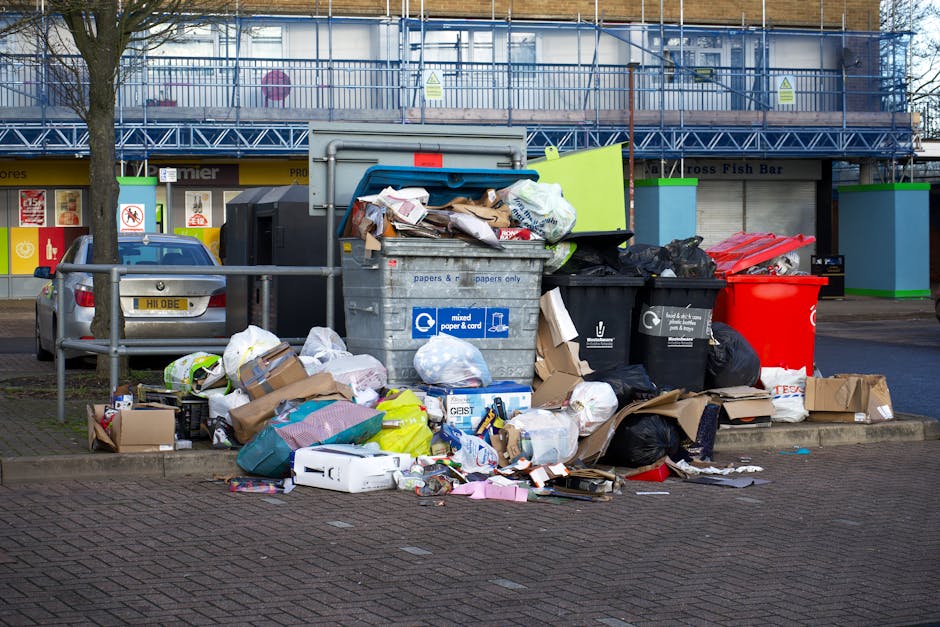
If you live, work, or manage a property in Lambeth, the rules around rubbish disposal can feel oddly specific at first. One week it is bin day, the next it is bulky waste, then there is a pile of packaging, old furniture, or builders' rubble waiting for a decision. Understanding what Lambeth council rules mean for rubbish disposal helps you avoid missed collections, neighbour complaints, fines, and the classic "where does this even go?" moment that happens on a wet Tuesday evening when the bags are already outside.
This guide breaks it all down in plain English. You will learn how council rules shape day-to-day disposal, what changes when your waste is bulky or commercial, how to stay compliant, and when a professional service may be the cleaner, safer option. It is practical, local, and meant to save you time.
Why Lambeth council rubbish rules matter
Council rules do more than tell you when to put the wheelie bin out. They shape how waste is stored, separated, presented, collected, and handed over for disposal or recycling. In a busy borough like Lambeth, that matters because streets are tight, bins fill quickly, and one badly handled load can create a domino effect for the whole pavement.
The biggest reason these rules matter is simple: waste that is left out incorrectly can be rejected, delayed, or treated as an enforcement issue. A bag on the wrong day, a mattress dumped beside communal bins, or paint tins put into household recycling can cause avoidable problems. And yes, they often become visible very quickly. Everyone notices a fly-tipped sofa; nobody notices the careful sorting behind the scenes.
There is also a bigger environmental point. Lambeth council rules are designed to steer more material into recycling or proper treatment and keep streets cleaner. That means residents are encouraged to separate items properly, keep contamination out of recycling, and use the right route for bulky items, garden waste, and electrical goods. If you want to do the right thing, the rules are there to help. They are not just red tape, even if they sometimes feel a bit like it.
For landlords, property managers, and businesses, the stakes are higher. Waste left improperly outside a property can affect tenants, licences, reputations, and neighbour relations. If you are dealing with a move-out or clearance, it is worth reading about related property issues too, such as acquiring properties in Lambeth or practical local context from what locals recommend about living in Lambeth.
Practical takeaway: Lambeth council rules are not only about collection dates. They affect what you can put out, how you present it, and whether the waste is treated as household rubbish, bulky waste, recycling, garden waste, or something that needs specialist handling.
How Lambeth council rubbish rules work in practice
The local system usually starts with three questions: what type of waste do you have, where is it coming from, and how much of it are you dealing with? Once you answer those, the disposal route becomes much clearer.
Household waste is the everyday stuff from a home: food packaging, general rubbish, some recyclables, and small items. This is usually managed through your normal bin or collection service, provided you follow the presentation rules. Bags need to be secure. Recycling needs to be clean enough not to contaminate the rest of the load. It sounds obvious, but a bit of takeaway grease can make a surprisingly tidy recycling stream less useful.
Bulky waste is different. Items such as sofas, wardrobes, mattresses, broken tables, and some appliances usually cannot be treated like ordinary black-bag waste. These need a separate collection route or a specialist removal service. The same goes for anything sharp, heavy, or awkward to carry down stairs without a small team and, ideally, a functioning lift.
Garden waste has its own logic too. Branches, soil, turf, and plant cuttings are not the same as general household rubbish. If you mix them into regular bins, you can end up with overfilled containers or rejected bags. A clear route for garden waste saves a lot of mess, especially after a weekend pruning session that looked quicker than it turned out to be.
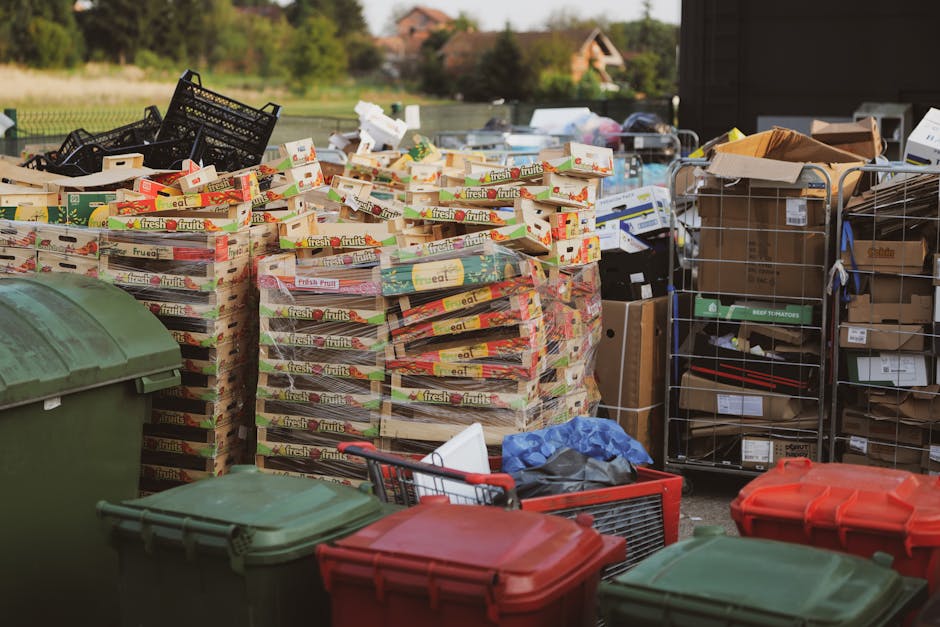
Commercial and builders' waste are the most likely to need extra care. Office clear-outs, shop waste, refurb debris, plasterboard, timber offcuts, and packaging from fit-outs often fall outside routine household collection rules. That is where services such as commercial waste removal in Lambeth and builders waste removal in Lambeth become more relevant than a standard bin collection.
In real life, the system is less about theory and more about matching the waste to the right process. If you get that right, everything gets easier. If you get it wrong, one small mistake can snowball into a messy pavement, a missed collection, or an unexpected clean-up job. It happens more often than people admit.
Key benefits and practical advantages
Following Lambeth's rubbish rules is not just about avoiding trouble. Done properly, it makes disposal cleaner, cheaper over time, and far less stressful. There are some very practical advantages.
- Fewer missed collections: waste that is sorted and presented correctly is more likely to be taken first time.
- Cleaner shared areas: in flats and converted houses, proper waste handling keeps front gardens, bin stores, and pavements more usable.
- Better recycling outcomes: clean, separated materials have a much better chance of being reused or processed properly.
- Lower risk of complaints: neighbours are less likely to complain about smells, spillages, or overfilled bags.
- Safer lifting and carrying: if heavy items are handled correctly, there is less chance of injury on stairwells, kerbs, and narrow hallways.
There is also a time-saving benefit that people underestimate. If you know in advance which items need a separate route, you stop wasting time trying to force everything into one disposal method. Truth be told, that is usually what goes wrong. Someone has a clear-up plan, then the old fridge, broken chair, and garden clippings all end up in the same corner by the gate. Not ideal.
For households, the best advantage is peace of mind. For businesses and landlords, it is operational clarity. And for anyone trying to move house or clear a property, it is one less thing to think about on a day when your head is already full of boxes, labels, and missing tape.
If you are comparing service routes, it may help to look at the borough-specific options available through domestic waste collection in Lambeth or a more complete service overview via the services overview.
Who this is for and when it makes sense
This topic matters to more people than you might expect. It is not just for residents with overflowing bins. In practice, it affects anyone generating waste inside Lambeth boundaries.
Homeowners and tenants
If you live in a house, flat, or shared property, council rules guide how you deal with regular rubbish, recycling, and larger items. Tenants in particular often need a quick, practical answer when the bins are full and the landlord is not immediately available. In a shared house, one person leaving a bin lid open can become everyone's problem by breakfast.
Landlords and letting agents
End-of-tenancy clearances, abandoned furniture, and tenant turnover can create awkward waste situations. If a property is being prepared for new occupants, you want the waste gone quickly and properly. That is especially true for larger clearances, where house clearance in Lambeth may be more suitable than trying to manage item by item.
Small businesses and offices
Shops, salons, studios, cafes, and offices all produce different waste streams. Packaging, stock waste, old fixtures, and periodic clear-outs can become a compliance issue if left unmanaged. Commercial premises usually need a more structured approach than a household bin schedule.
Builders, decorators, and tradespeople
Renovation waste is where many people come unstuck. Rubble, broken fittings, wood, plasterboard, and old units often need specialist removal. If your project is small, it may still seem manageable at first. Then the skip fills, the driveway disappears, and somebody realises the old bath weighs roughly the same as a parked car.
Anyone clearing furniture or appliances
If the job involves sofas, white goods, beds, or wardrobes, it makes sense to use targeted services such as furniture removal in Lambeth or white goods and appliance disposal in Lambeth. That is usually faster and cleaner than trying to improvise with a standard bin route.
Step-by-step guidance
If you want a simple process, use this. It keeps things grounded and avoids the most common errors.
- Identify the waste type. Decide whether it is household rubbish, recycling, food waste, bulky waste, garden waste, electrical equipment, or construction waste.
- Separate what can be reused or recycled. Clean cardboard, metal, certain plastics, and similar items should not be mixed with general rubbish if they have a proper recycling route.
- Check whether the item is too big or too heavy for normal collection. If it is a mattress, sofa, appliance, or bag of rubble, treat it as a specialist disposal job.
- Make sure the waste is contained properly. Loose bags, leaking liquids, and exposed sharp edges create unnecessary risk.
- Choose the right collection route. Use the council route for suitable household waste, or a professional removal service for items that do not fit standard collection rules.
- Keep access clear. Gates, paths, and stairwells should be safe for whoever is moving the waste. This sounds basic, but it is often where delays happen.
- Keep records where relevant. For commercial or trade waste, document what was removed and who handled it.
There is a useful habit that helps a lot: before you move anything, stand back and ask, "Would this be collected with normal household bins, or is it obviously too much, too heavy, or too awkward?" That one pause can save you a missed collection later.
For garden jobs, it may also help to check garden waste removal in Lambeth if you have bags of soil, cuttings, or broken outdoor items. It keeps the whole process much tidier.
Expert tips for better results
There are a few small habits that make rubbish disposal in Lambeth much less stressful. None of them are dramatic. But they help.
First, sort before you carry. If you wait until everything is outside, you lose control of the process. Sorting indoors or in the garden gives you a much clearer picture of volume and type. You will also spot the odd items that should not go into normal waste, like batteries, liquids, or electricals.
Second, do not overfill bags. A bag that looks "nearly fine" becomes a problem the moment it splits on a stairwell. A slightly smaller, better-secured bag is almost always the better call.
Third, think about access. On a narrow Lambeth street, especially near terraced homes or blocks of flats, a tidy removal plan matters. Clear the route, move parked cars if needed, and avoid leaving waste in a spot that blocks neighbours or pedestrians.
Fourth, keep contaminated recycling out of the recycling stream. A greasy pizza box, half-full bottle, or mixed food waste can spoil a load. Better to put questionable items in the correct bin than to hope for the best.
Fifth, for anything large or awkward, get a proper quote early. That way you are comparing like with like. If you want more detail on how pricing works and what affects it, the page on pricing and quotes is useful, especially if you are trying to budget for a flat clearance or a one-off bulky collection.
One more thing: if you are choosing a company to move waste, make sure they operate properly and can show compliance. A low price is not useful if the rubbish ends up somewhere it should not. The waste carrier licence and compliance page is worth a look for that reason.

Common mistakes to avoid
Most rubbish problems in Lambeth are not complicated. They are usually the result of rushing, guessing, or assuming the council will take anything if it is neatly tied up. Unfortunately, not quite.
- Mixing different waste types: household rubbish, recycling, and trade waste should not all be thrown together.
- Leaving items outside too early: this can attract complaints, litter, or damage from weather and passers-by.
- Putting prohibited items in ordinary bins: certain items need special handling and should never be forced into a standard collection.
- Underestimating weight and volume: one small clear-out can become three van loads faster than expected.
- Using an unlicensed collector: if the waste is not handled properly after collection, the responsibility can come back to you.
- Ignoring access issues: stairs, tight hallways, controlled entry, and parking restrictions matter more than people expect.
A common one is the "I'll just leave it by the bins" approach. It seems harmless until it starts looking like fly-tipping. Then it is no longer a minor inconvenience, it is a nuisance. And nobody wants that knock-on effect in their building.
Another mistake is waiting until the last day of a tenancy, refurbishment, or move. That is when stress pushes people into bad decisions. If you have a deadline, give yourself room. Even one extra day can make the whole process feel less frantic.
Tools, resources and recommendations
You do not need a complicated toolkit to manage rubbish properly, but a few practical items help a lot.
- Sturdy rubbish bags: especially for mixed household waste and sharpish packaging.
- Labels or marker pens: useful when sorting items into keep, recycle, dispose, and donate piles.
- Gloves: basic, but genuinely useful for broken glass, dust, and garden debris.
- Tape, straps, or rope: helpful for securing flat-pack boards, loose furniture parts, or bundled cardboard.
- Cleaning cloths and spray: useful if waste has left residue in a kitchen, hallway, or bin store.
- Measuring tape: odd as it sounds, it helps with planning for furniture, appliances, and clearance access.
On the service side, it is sensible to look at companies that provide a transparent process, clear communication, and proper safety handling. If you are comparing options, the page on insurance and safety can help you think through the basics of risk and responsibility.
For people who want a broader picture of how waste handling fits into responsible disposal, recycling and sustainability offers a good context. It is particularly helpful if you care about reducing landfill and making better disposal choices without turning the process into a weekend project.
And for a fuller sense of the company's background, you may also want to read about us. Trust is easier when you know who you are dealing with. Simple as that.
Law, compliance, standards and best practice
This is the part people sometimes skip, then regret later. Waste disposal in the UK sits within a framework of household responsibilities, carrier obligations, and environmental best practice. You do not need to be a legal expert to get the basics right, but you do need to know that disposal is not just a matter of "someone took it away, so job done."
For householders, the key point is to present waste correctly and use the right route for the right material. For landlords, letting agents, and businesses, the standard is higher. You should know who is responsible for the waste, how it is stored, and who is taking it away. If a waste collector is not properly authorised, that can create risk for everyone involved.
That is why a legitimate waste carrier licence matters. It is not glamorous, but it is important. Best practice is to use a provider that can demonstrate compliance and explain how waste is managed once removed. If you cannot get a straight answer, that is usually your answer.
There is also a practical standard around documentation. Commercial and trade waste should be traceable. That helps with audits, tenancy handovers, site management, and general peace of mind. It may not be thrilling paperwork, but it is better than sorting out a complaint later.
In local terms, the rule of thumb is straightforward: do not put the borough, your neighbours, or your own property at avoidable risk. That means keeping waste contained, using the correct collection route, and choosing safe, licensed removal where needed. If your project is a renovation or a business clear-out, these standards become even more relevant.
Options, methods and comparison table
Different disposal methods suit different situations. Choosing well saves money and hassle.
| Method | Best for | Strengths | Limitations |
|---|---|---|---|
| Normal council household collection | Regular rubbish and suitable recycling | Simple, familiar, cost-effective | Not suitable for bulky, trade, or specialist items |
| Bulky waste collection | Sofas, mattresses, large household items | Better for awkward items, reduces lift and carrying issues | May require booking and item rules |
| Garden waste collection | Cuttings, branches, turf, outdoor debris | Keeps garden jobs tidy and separate | Not ideal for mixed household rubbish |
| Trade or commercial waste removal | Shops, offices, builders, refurbishment projects | Structured, scalable, more suitable for higher volumes | Needs proper compliance and planning |
| Full clearance service | Moves, probate clearances, emptying properties, large one-off jobs | Fast, coordinated, less stress | Usually the most involved option, so planning matters |
If you are dealing with a moving day, inherited property, or end-of-tenancy clearance, a dedicated service often makes the most sense. For example, house clearance in Lambeth is often a better fit than trying to handle each item separately over several weekends.
For heavier items and appliances, targeted disposal is usually the neatest route. It keeps the process safer and avoids unnecessary strain. No one really wants to wrestle a fridge down a narrow staircase. Let's be honest.
Case study or real-world example
Picture a typical Lambeth flat clearance after a tenant move-out. There is a worn sofa in the living room, a broken desk, two chairs, a mattress, a small pile of packaging, and an old washing machine that nobody wants to touch. The landlord wants the place ready fast. The outgoing tenant is already gone. And the hallway is too narrow for guesswork.
If someone tried to deal with all of that through standard bin collections, they would run into trouble almost immediately. The items are too large, too mixed, and too awkward to treat as ordinary rubbish. The better route is to separate what can be recycled, identify the bulky items, and arrange a proper collection. In a case like this, furniture and appliance-specific removal can make the job simpler and far safer.
That sort of scenario comes up around end-of-tenancy changes, property purchases, and refurbishments. If you are in that position, there is usually enough going on already without adding rubbish headaches to the list. For a practical local example of how fast removals can help in busy areas, see rubbish clearance near Waterloo Station or the guide on bin and bulky rubbish collection in Kennington SE11.
What matters most in real life is timing. If waste is booked and removed in one clean pass, the property can be cleaned, photographed, handed over, or re-let without the whole place feeling like a worksite. That is the difference between a smooth clearance and a very long week.
Practical checklist
Use this quick checklist before disposal day. It keeps things calm and avoids last-minute scrambles.
- Sort waste into household, recycling, bulky, garden, electrical, and trade categories.
- Remove anything that should be reused, donated, or stored separately.
- Check that bags are strong, sealed, and not overfilled.
- Keep sharp objects wrapped and clearly contained.
- Make sure access routes are clear for collection.
- Confirm whether the item needs specialist removal.
- Use a licensed provider for larger or commercial loads.
- Keep records if the waste comes from a business or rental property.
- Do not leave rubbish out early if it will block paths or attract complaints.
- Double-check that recyclables are clean enough to avoid contamination.
Quick reminder: if the job looks bigger than the bin bags in front of you, it probably is. And that is fine. It just means you need the right route, not more brute force.
Get a free quote today and see how much you can save.
Conclusion
What Lambeth council rules mean for rubbish disposal, in plain English, is this: use the right route for the right waste, keep it contained, separate it sensibly, and do not assume every item can go out with ordinary household rubbish. That approach protects you from delays, complaints, and unnecessary hassle while helping the borough stay cleaner and more workable for everyone.
If you are clearing a flat, managing a property, running a business, or dealing with a pile of awkward items that simply do not fit normal bin-day life, the smartest move is to plan early and choose the disposal method that matches the load. A few careful decisions now can save a lot of lifting, waiting, and second-guessing later.
And honestly, that is usually all most people want: a tidy job, a clear pavement, and one less thing to worry about. Not bad for something as unglamorous as rubbish.


