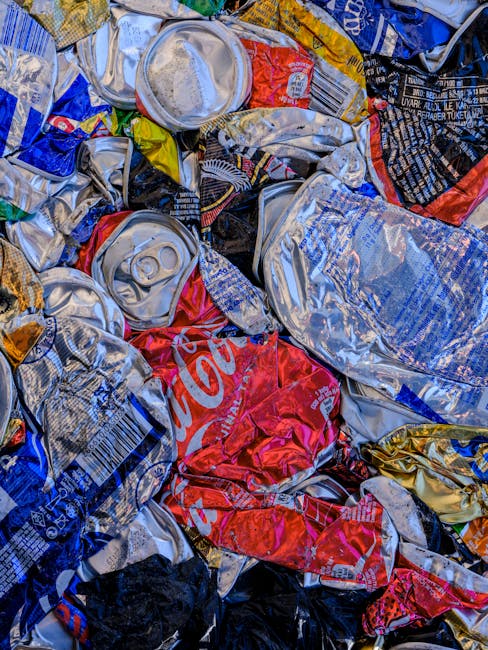
Recycling and donation options for Lambeth rubbish
Posted on 21/10/2026
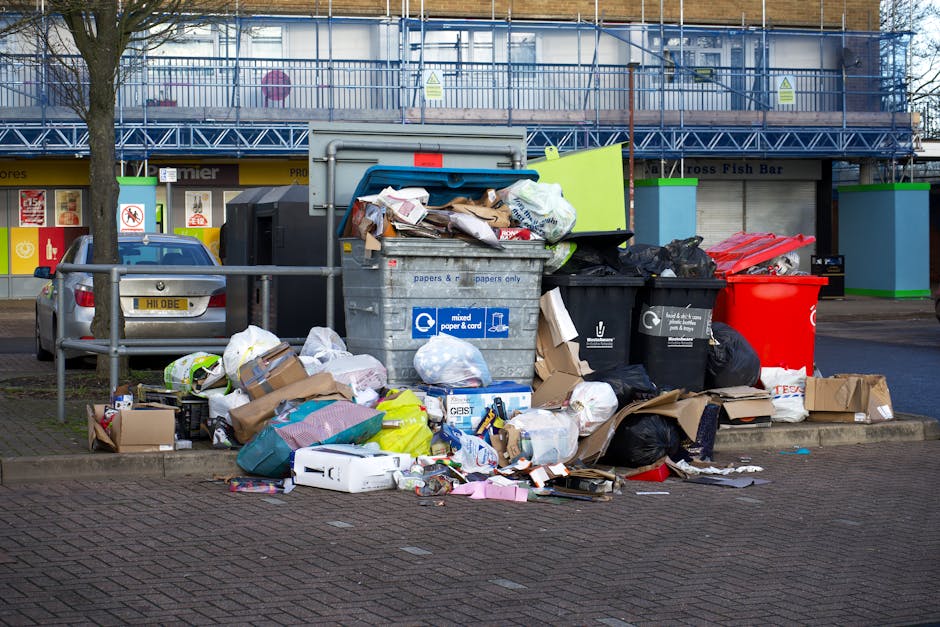
If you're clearing out a flat, tidying a rental, or dealing with a pile of mixed items after a renovation, the question is usually the same: what can be recycled, what can be donated, and what actually needs to go as rubbish? In Lambeth, that decision matters more than most people realise. The right choice can cut costs, reduce waste, and keep useful items in circulation instead of heading straight to disposal.
This guide to Recycling and donation options for Lambeth rubbish walks you through the practical side of it all: what belongs in each stream, how to sort it, which items are commonly reused, and where people often go wrong. To be fair, it's easy to misjudge a bag of mixed stuff when you're staring at half a room of clutter. But once you know the system, it becomes much simpler.
Whether you're a homeowner, tenant, landlord, business owner, or just the unlucky person who drew the short straw on clearing the loft, this article gives you a clear, local, no-nonsense approach.
- Why recycling and donation options matter
- How the process works in practice
- Key benefits and practical advantages
- Who this is for and when it makes sense
- Step-by-step guidance
- Expert tips for better results
- Common mistakes to avoid
- Tools, resources and recommendations
- Law, compliance and best practice
- Options and comparison table
- Case study
- Practical checklist
- Conclusion
- Frequently asked questions
Why Recycling and donation options for Lambeth rubbish Matters
Recycling and donation are not just "nice-to-have" extras. They're the difference between treating everything as disposable and making a smarter, more responsible decision about each item. In a dense part of London like Lambeth, space is tight, collections have to be managed carefully, and waste left on the street or in communal areas can become a real nuisance very quickly.
There's also a practical angle. A sofa in decent condition, a working microwave, or a stack of intact office chairs doesn't need to become landfill waste just because someone no longer wants them. Donation keeps value in use. Recycling handles materials that still have a second life as raw inputs. And general rubbish is what's left after those possibilities are exhausted. Simple enough in theory. Slightly messier in real life.
People also underestimate the emotional side. Clearing a home after a move, bereavement, tenancy change, or renovation can feel overwhelming. Sorting items for reuse gives the process a bit of logic and reduces that horrible "everything is waste" feeling. You start to see progress. That matters, especially when the room looks like a cardboard avalanche at 8 a.m. and the kettle's already working overtime.
Key point: the best disposal plan in Lambeth is usually the one that separates reusable, recyclable, and non-recoverable items before anything leaves the property.
How Recycling and donation options for Lambeth rubbish Works
The process is usually straightforward once you break it into categories. First, identify what can be donated. Then separate recyclable materials. Finally, deal with the remainder as general waste or specialist disposal. That order matters because donation and recycling can be blocked by contamination, damage, or simple bad sorting.
In practical terms, a mixed load often contains a bit of everything: furniture, bags of clothes, old electronics, broken household bits, packaging, books, and maybe a suspicious drawer full of cables nobody remembers buying. Each item needs a quick decision. Donate, recycle, or dispose.
Donation tends to suit items that are clean, usable, and safe. Recycling suits materials that can be processed through the relevant stream, such as cardboard, metal, certain plastics, glass, wood, and some electrical equipment depending on condition and handling. General rubbish is for the rest: broken, contaminated, or non-recyclable items that cannot reasonably be reused or processed.
A lot of Lambeth rubbish is "half-useful" rather than useless. That's the important bit. A chair with a loose screw may still be repairable. A mirror with a crack probably is not. A pile of mixed materials from a flat clearance may need more sorting than a single-bin tidy-up, but the extra effort can change the outcome quite a lot.
For larger clearances, many people use a service that can separate items on-site or during loading. If you're comparing options, it helps to understand the broader range of rubbish clearance services available so you can match the job to the waste type instead of forcing everything into one method.
Key Benefits and Practical Advantages
The obvious benefit is less waste going to landfill or incineration. But the practical benefits go beyond that. A good sorting approach can save time, reduce disposal volume, and make the whole clear-out feel more manageable. It also helps you avoid paying to remove items that could have been passed on or processed differently.
Here's where people notice the difference:
- Lower disposal volume: if reusable items are removed first, the remaining load is smaller and cleaner.
- Better cost control: you're not paying to throw away useful furniture or appliances that could have been donated.
- More efficient clearances: sorted waste is easier to handle and assess on the day.
- Less environmental impact: materials stay in circulation instead of being treated as dead weight.
- Better outcomes for tenants and landlords: properties are cleared more neatly and with fewer disputes over what happened to items left behind.
There's a quieter advantage too: a more deliberate clearance often leads to fewer regrets. You know the feeling - the item looked too old to keep, then suddenly you remember it was perfectly usable. Donation forces a second look. Recycling forces a third. That extra moment of thought can be surprisingly useful.
If you're trying to avoid surprise charges, it's worth reading about how to avoid hidden costs in Lambeth rubbish clearance before booking anything. Waste type, access, and sorting all affect the final result.
Who This Is For and When It Makes Sense
This approach suits almost anyone dealing with rubbish in Lambeth, but it's especially useful for people handling mixed loads rather than just a single bin bag. If you're clearing a home, office, rental property, garden, or builder's debris, you'll likely have at least some items that should be diverted away from general waste.
Typical situations include:
- Domestic clear-outs: lofts, garages, spare rooms, or moving day leftovers.
- End-of-tenancy jobs: furniture, small appliances, clothes, kitchenware, and general clutter.
- Landlord and letting-agent clearances: mixed household items left behind by previous occupants.
- Renovations and refurbishments: cabinets, fittings, offcuts, packaging, and usable fixtures.
- Office or commercial changes: desks, chairs, shelving, electronics, and archive waste.
It also makes sense if you're trying to clear space without creating another problem for yourself. Let's face it, a full van or overflowing boot is not the same as a tidy solution. If you have heavy furniture or awkward items, the wrong disposal route can turn a simple job into a small ordeal. And nobody wants that on a wet Tuesday morning.
If the main issue is furniture, a more targeted approach may be better. See furniture removal in Lambeth for items that are bulky but may still be suitable for reuse or specialist handling.
Step-by-Step Guidance
Here's a practical way to handle recycling and donation decisions without overthinking it.
- Do a quick first sort. Walk through the property and separate obvious donation items, obvious recyclables, and obvious rubbish. Don't aim for perfection on the first pass.
- Check condition. Ask whether each item is clean, safe, complete, and workable. If not, it probably won't suit donation.
- Remove contamination. Food residue, liquids, damp cardboard, and mixed packaging can ruin recycling. A little wipe-down now saves hassle later.
- Group items by type. Keep paper, cardboard, metal, textiles, electricals, and general rubbish separate where possible.
- Identify bulky pieces early. Sofas, wardrobes, mattresses, white goods, and large office equipment often need extra planning.
- Decide what can be reused. If an item is still functional and presentable, donation may be better than disposal.
- Schedule the right removal method. Match the collection to the waste type, access, and volume.
- Keep records if you need them. Landlords, businesses, and managing agents often benefit from keeping notes or disposal details for their own files.
A small example: a tenant moving out of a flat in Brixton might have a usable coffee table, two boxes of books, a broken lamp, and three black bags of mixed household waste. The coffee table may be suitable for donation, the books can sometimes be passed on, the lamp may be recyclable depending on type and condition, and the bags are general waste. One clear-out, four separate decisions. That's normal.
For larger or urgent jobs, it may help to compare with domestic waste collection in Lambeth if the priority is getting household waste removed quickly and responsibly.
Expert Tips for Better Results
In our experience, the best clearances are the ones that are decided before the van arrives, not during the panic of loading. A bit of pre-sorting makes everything easier. Here are the details people often miss.
- Flatten cardboard before it gets damp. Once it absorbs moisture, it becomes heavier and harder to recycle properly.
- Keep textiles separate. Clean clothes, curtains, and bedding can sometimes be reused or recycled, but they should not be mixed with food waste or garden debris.
- Check electricals for safety first. If an appliance is broken in a way that could be hazardous, don't assume it can simply be donated.
- Remove personal data. Old phones, laptops, and office devices should be wiped before passing them on or recycling them.
- Set aside "maybe" items. If you're unsure, place them in a separate pile for a final decision rather than rushing them into general rubbish.
One useful habit is to work room by room rather than item by item across the whole property. It sounds obvious, but it keeps the job mentally smaller. You don't end up with a hallway full of undecided stuff and a mild sense of defeat by lunchtime.
If you're dealing with a larger property or multiple rooms, a house clearance service in Lambeth can be a better fit than piecing together smaller removals.
Common Mistakes to Avoid
Most problems come from rushing. Not maliciously, just humanly. You want the space back, so everything gets tossed into the nearest bag. Trouble is, mixed loads often contain items that could have been reused, and contaminated recycling can create more work than it saves.
- Don't donate damaged or unsafe items. A donation should be genuinely usable, not a way of passing on hassle.
- Don't put food-stained packaging into recycling. Dirty materials often spoil the batch.
- Don't mix electrical items with general waste without checking the handling route. Some need separate treatment.
- Don't leave bulky items until the last minute. Large furniture and appliances need more planning than bags of clutter.
- Don't assume "old" means "rubbish." Age and usefulness are not the same thing.
Another common mistake is overlooking compliance. If you're a landlord, tenant, or business owner, you may need to be more careful about what is collected, where it goes, and whether the carrier is operating properly. More on that below, because it does matter.
A quick warning for the over-optimists: if it smells off, leaks, or has mould, don't treat it like a donation candidate. That's not a recycling win. That's just wishful thinking in a bag.
Tools, Resources and Recommendations
You don't need specialist equipment to make better recycling and donation decisions, but a few simple tools can help.
- Heavy-duty bags or boxes: useful for separating small donations, paper, textiles, and mixed loose items.
- Labels or markers: keep donation, recycling, and rubbish piles clearly marked.
- Gloves: sensible for dusty lofts, garden clearances, and older furniture.
- A basic checklist: especially helpful when several people are helping with the sort.
- Phone photos: useful if you need to compare quotes or show the condition of bulky items.
For people who want a broader overview of how sustainability fits into clearance decisions, the page on recycling and sustainability is a useful companion read. It gives helpful context on why better sorting is worth the effort, even when the job itself feels a bit tedious.
If you're comparing providers or trying to understand what affects price, the pricing and quotes page can help frame your expectations before you commit. No one likes invoice surprises. Not one person.
For more formal details about responsible handling, you may also want to review waste carrier licence and compliance information so you know what to look for in a provider.
Law, Compliance, Standards, or Best Practice
When recycling and donation are involved, compliance is less about paperwork for the sake of it and more about making sure waste is handled properly. In the UK, waste should be passed to an appropriate, authorised party, and duty of care principles apply to anyone arranging disposal or transfer. That's the broad expectation, and it's worth taking seriously.
In practical terms, best practice usually means:
- using a provider that can demonstrate proper waste handling arrangements;
- keeping recyclable materials as clean and separate as practical;
- making sure donated items are safe and suitable for reuse;
- avoiding fly-tipping or unverified disposal routes;
- being careful with electricals, sharp items, and anything potentially hazardous.
For businesses, the standard is often stricter in real-world terms, because commercial waste must be handled with proper records and a clear route. Landlords and managing agents should also be careful when clearing left-behind goods. If you are unsure about legal responsibility, it is wise to get guidance rather than make assumptions. That old "someone else will sort it" approach rarely ends well.
Insurance and safe handling are also worth checking, especially when heavy furniture, awkward stairwells, or shared entrances are involved. If you want to see how this is normally framed, the insurance and safety page sets out the basics in plain English.
Options, Methods, or Comparison Table
Different waste types suit different routes. Sometimes the smartest move is donation first, recycling second, disposal last. Other times, the item is simply too damaged or contaminated to do anything but remove it. The table below gives a straightforward comparison.
| Option | Best for | Pros | Limitations |
|---|---|---|---|
| Donation | Clean, safe, usable furniture, household goods, books, and some clothes | Extends item life, reduces waste, can be the most satisfying option | Items must be suitable, complete, and in acceptable condition |
| Recycling | Cardboard, metal, some plastics, glass, textiles, some electricals | Recovers materials and reduces general waste volume | Contamination can make items unrecyclable |
| General waste | Broken, dirty, mixed, or non-recoverable items | Clear final route for items with no practical reuse value | Least environmentally efficient option |
| Specialist disposal | White goods, certain appliances, heavy or awkward items | Safer handling for bulky or technical waste | May require separate planning or collection |
If your clearance includes appliances, it can be worth looking at white goods and appliance disposal in Lambeth because those items often need more careful handling than people expect.
Case Study or Real-World Example
Here's a realistic scenario. A couple in Lambeth were clearing a two-bedroom flat after a move. The property had a mix of items: a decent three-seat sofa, a damaged coffee table, several bags of clothing, an old fridge, flattened cardboard boxes, and general household clutter from cupboards and under beds.
They started with the sofa. It was clean, structurally sound, and still useful, so it was earmarked for reuse rather than disposal. The clothing was sorted next: wearable items were kept separate from stained or worn-out pieces. Cardboard was flattened and kept dry. The fridge, being a white good, was treated as a separate item that needed proper disposal handling. The damaged coffee table was judged unsuitable for donation, but parts of it were recyclable depending on material type.
The result? The total waste load was smaller, the property looked clearer faster, and the useful items did not get mixed into general rubbish. Nothing magical, just a sensible order of operations. The couple also felt much better about the process because they could see that not everything was being treated as disposable.
That kind of clear-out is very typical in Lambeth, especially where flats are compact and storage is limited. One shelf can hold three years of "we'll sort that later" if you let it. Tricky little shelves, honestly.
Practical Checklist
Use this checklist before arranging any clearance or sorting job:
- Separate donation, recycling, and rubbish into different piles.
- Check every donation item for safety, cleanliness, and working condition.
- Keep recyclables clean and dry wherever possible.
- Remove batteries, chargers, and personal data from electrical items if needed.
- Identify bulky furniture, appliances, and heavy items early.
- Set aside anything sharp, leaking, mouldy, or hazardous.
- Measure access points if you have large items to move.
- Confirm whether a provider can handle the full mix of items.
- Keep records if you are clearing a rental or commercial property.
- Ask for a clear explanation of what happens to the items after collection.
A quick once-over before collection day can save a surprising amount of stress. And yes, you will almost always find one item that nobody remembers owning.
Get a free quote today and see how much you can save.
Conclusion
Recycling and donation options for Lambeth rubbish are not complicated once you approach them in the right order. Decide what can be reused, what can be recycled, and what genuinely needs to be discarded. That one habit can reduce waste, save money, and make clear-outs feel more controlled and less chaotic.
The main thing is not to rush every item into the same pile. A little sorting goes a long way, especially in a busy part of London where access, timing, and property type can all affect the outcome. If you keep things clean, separate, and realistic, you'll usually end up with a better result. Simple, really. Not always easy, but simple.
And when the space is finally clear, there's a quiet relief to it - the sort that makes even an empty room feel lighter.